
BLOG

“Insights & Resources for Flexible Healthcare Careers and Workforce Solutions”
Second Careers in Nursing: How Flexible Work Lowers the Barrier to Re-Entry

Healthcare worker wearing protective goggles

Nursing draws a growing number of people making a career change later in life, often after years in an unrelated field. The clinical training gets most of the attention in that transition, but the practical question of how to actually start working, without committing to a rigid full-time schedule during an already demanding adjustment, matters […]

Building a Clinical Talent Pipeline With Local Nursing Programs

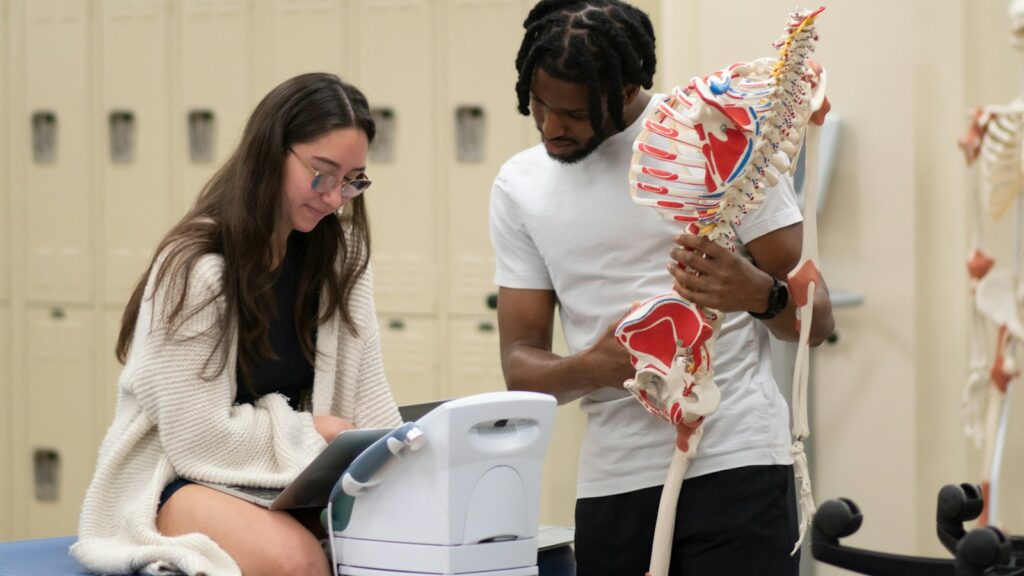
Instructor and student studying an anatomy model

Most health systems have some relationship with a local nursing or allied health program, usually in the form of clinical rotation hosting or an occasional job fair appearance. Few have built that relationship into an actual pipeline that consistently feeds new hires into open roles. Why the Occasional Job Fair Isn’t a Pipeline A job […]

Cross-Training for Flexibility: What It Actually Takes

Healthcare professional outdoors

The idea of cross-training into a new unit or specialty sounds appealing when you want more flexible shift options, but it’s often described vaguely, as if a weekend course is all it takes. The real picture is more specific, and more achievable, once you know what’s actually involved. Start With What Transfers Already Most specialties […]

The Questions Your CFO Should Be Able to Answer About Workforce Spend

Finance and operations leaders meeting

Workforce costs typically make up the largest line item in a health system’s budget, yet basic questions about that spend often require days of digging across multiple systems to answer. If your finance team can’t answer these quickly, that gap itself is worth paying attention to. How Much Are We Actually Spending on Contingent Labor? […]

Why “Trying Before You Commit” Is Becoming Normal in Healthcare Careers

Stethoscope on a table

A generation ago, taking a job meant committing to it, often for years, before you really knew if it was the right fit. That model is fading, and not because clinicians are less committed. It’s because there’s finally a better way to find out if a role is right before signing up for it long […]

What Rural Health Systems Get Wrong About Float Pools

Small-town street with low-rise buildings

The Assumption That Breaks Down The core logic of a float pool, matching an employee with availability at one location to an open shift at another, assumes the two locations are close enough that traveling between them is realistic. In a tightly clustered metro market, that assumption holds. In a health system with genuinely rural […]

What to Ask Before You Commit to a New Facility’s Onboarding

Two people shaking hands

Is the Onboarding Built for Your License and Specialty? A generic onboarding checklist that doesn’t account for your specific license, certifications, or specialty is a sign the facility hasn’t invested much in matching clinicians to the right roles. Facility-specific onboarding, built around your actual qualifications, tends to mean a more organized experience once you start […]

Recruit to Hire: Why “Date Before You Marry” Beats a Traditional Job Offer

Doctor checking a patient's blood pressure

The Problem With Committing Before You Know A strong interview doesn’t guarantee a strong fit with your team, your pace, or your specific unit’s culture. When the first real test of that fit happens after the hire is already made, the cost of a bad match falls entirely on the organization, in onboarding time, in […]

How to Turn Extra Shifts Into Real Income Without Burning Out

Woman standing near a window in daylight

The Problem With Reactive Extra Shifts When shift requests come in as last-minute pleas, it’s hard to say no, especially when a coordinator you like is asking directly. That dynamic makes it easy to overcommit without meaning to, and the shifts that once felt like a bonus start to feel like an obligation. Set a […]