
The Healthcare Workforce Operating System, with a marketplace solution embedded.
Deploy the workforce you already have.
MedicalMatch turns your existing workforce into on-demand capacity.
Fill shifts today. Hire for tomorrow. Stay compliant.
Why workforce strategy is changing
You don’t have a workforce shortage. You have a visibility and deployment problem.
The better question is who is available, qualified, willing, and close enough to work the shifts you need right now.
Healthcare professionals are still here, and many now choose flexible work on their own terms. The organizations pulling ahead see their employed teams and credentialed independent professionals in one view, and treat that as workforce strategy.
The core insight
Health systems do not buy shift coverage. They buy control over labor economics.
Workforce utilization, premium labor spend, and coverage risk, managed from one platform that works alongside the HR, scheduling, and recruiting teams you already have.
“Right now, health system boardrooms are asking how to get traditional and travel staffing out of their buildings. That solves today’s cost problem, not the long-term workforce strategy. In the next three to five years, they will be asking how to manage the right mix of W2 and 1099 talent for their organization.”
Built for the executive table
What MedicalMatch answers for each executive
MedicalMatch gives each leader a direct answer to the workforce question they own, and a shared set of numbers to measure it.
Can we hire and keep people without paying conversion fees?
Yes. Recruit2Hire lets your team try before you hire, with $0 hire-away fees. One pipeline covers credentialing, conversion, and upskilling, and your HR team runs it.
What we measure together- Conversions
- Time to hire
- Retention
Is this a shortage, or a visibility and deployment problem?
Often it is deployment. Every open shift reaches qualified staff across departments and facilities, inside the systems you already run.
What we measure together- Internal fill rate
- Time to fill
- Cross-facility utilization
- Staffing office workload
How much premium labor and overtime spend can we take out?
Internal staff and credentialed external clinicians see the shift at once. You choose by skill set and cost, at a transparent rate, and you see the economics before you buy anything.
What we measure together- Premium labor spend
- Overtime
- Cost per filled shift
Will my units be covered, to my standard?
Facility-specific onboarding through CredentialHub is completed before day one. Same-day urgent shifts are covered through ShiftNow.
What we measure together- Fill rate
- Same-day coverage
- Unfilled shifts
Can we depend less on third-party labor and stay resilient?
Yes. MedicalMatch gives you a controlled labor supply chain, plus an upskilling pathway that strengthens care in your community over time.
What we measure together- Margin
- Workforce resilience
- Retention
A number before a demo
The economics of premium labor no longer work.
Every figure below is sourced or labeled as modeled. Statistics as of October 2026.
Four cost levers drive the MedicalMatch model
Lower-cost coverage replaces premium coverage on the marginal shift.
Automated credentialing and onboarding cut the cost of every hire.
Flexibility and facility-matched onboarding reduce early departures.
Recruit2Hire converts proven workers with $0 hire-away fees.
Annual economic impact per 250+ bed facility carrying $10 million in annual contingent labor spend.
Annual economic impact per 120-bed skilled nursing facility carrying $1.5 to 2.5 million in annual contingent labor spend.
Annual economic impact across a 10-site network of similar post-acute facilities.
Modeled impact, not a guarantee. Methodology available on request.
Model your spend
Estimate your annual impact
Get an instant range from the MedicalMatch reference model, then ask for a model built on your own numbers.
1Instant estimate
2A model built on your numbers
How we work with you
How a MedicalMatch engagement works
A MedicalMatch engagement moves in five steps, starting with your numbers and expanding only after results are measured.
Diagnose
Premium labor, overtime, open shifts, fill rate, and the systems you already run.
Quantify
We model your opportunity before you commit.
Pilot
Start with the facilities carrying the heaviest premium labor load.
Measure
Baseline first, then report spend, overtime, fill rate, and time to fill.
Expand
Department to facility to enterprise, adding modules as you grow.
The platform
One Platform. Six Integrated Modules.
MedicalMatch covers the full path from credentialing through full-time conversion, for every role from physicians through nonclinical support.
1CredentialHub
Marketplace clinicians verified and onboarded to your standard before any shift is worked.
ACTIVATE2InternalPool
Mobilize the people you already employ. Reduce premium labor spend.
MATCH3Marketplace
Credentialed independent clinicians in the same view as your team.
PLAN4ShiftReserve
Lock in coverage for recurring shifts and planned leaves of absence.
FILL5ShiftNow
Same-day, urgent shifts matched to credentialed, ready-to-work clinicians.
CONVERT6Recruit2Hire
Convert proven shift workers to FTE. $0 hire-away fees.
Built for enterprise
Works with what you already run
MedicalMatch is built to work alongside your existing systems, teams, and labor relationships, so adoption does not mean replacement.
Your systems
Works alongside your HR, scheduling, and payroll systems. Home-based care: works with your EVV system through integration.
Your rules
You set eligibility for your employees. On marketplace shifts, you set the clinician rate and MedicalMatch adds a transparent flat surcharge.
Your teams
Your HR and recruiting teams keep control of strategy, hiring decisions, and culture. MedicalMatch unifies their workflow.
Proof, not promises
One post-acute community in Cottonwood Heights, UT moved from 33% to 71% retention in under six months.
“Hiring isn’t a guess anymore. We are not wasting hours chasing candidates who might not be a fit.”
“We get to see CNAs perform in our building before deciding to hire. You do not get that when you hire from the outside.”
Who we serve
Where MedicalMatch works today
MedicalMatch is live today in post-acute, residential, and home-based care, and is built for health systems of any size.
Post-acute and skilled nursing
Internal float pools across facilities, with credentialed coverage in the same view.
Residential and assisted living
Try-before-you-hire conversion for the roles with the highest turnover.
Home-based care
Works with your EVV system through integration.
Health systems
Most systems are live within 2 to 6 weeks, with a phased rollout.
Built by healthcare operators, for healthcare operators
Founded by a registered nurse who has worked the staffing gaps you manage.
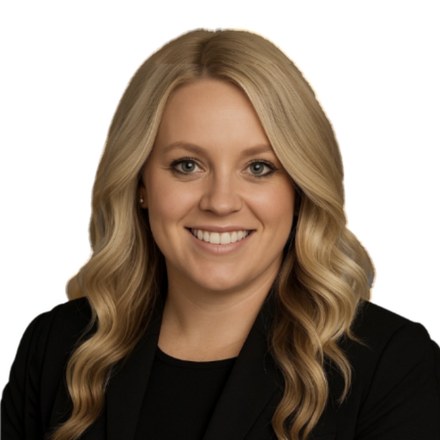
Ali Phillips spent almost two decades in clinical practice and leadership before founding MedicalMatch in 2022. She built the platform to fix the economics she lived with at the bedside.
Ali Phillips, RN, MBC
Founder and CEO. Master’s in Business Creation, University of Utah.
For healthcare professionals
Build the schedule you want, at organizations on MedicalMatch.
Manage your credentials in one place and find shifts that match your expertise, in any role.
Frequently asked questions
Questions health system leaders ask about MedicalMatch
What is MedicalMatch?
MedicalMatch is the Healthcare Workforce Operating System, with a marketplace solution embedded. Health systems see the clinicians they already employ and credentialed independent clinicians in one view, and convert shift workers to permanent staff with $0 hire-away fees.
Which roles does MedicalMatch support?
MedicalMatch supports every role in any area of healthcare, from physicians and nurses to therapists, pharmacy, front desk, and environmental services.
Does MedicalMatch replace our HR, scheduling, or recruiting teams and systems?
No. MedicalMatch works alongside the HR, scheduling, and payroll systems you already run, and unifies the workflow your HR and recruiting teams already manage.
Your team keeps control over strategy, hiring decisions, and culture.
How is healthcare workforce strategy changing over the next three to five years?
Today, health system boardrooms are focused on reducing traditional and travel staffing because the economics are unsustainable.
Over the next three to five years, the question shifts to managing the right mix of W2 employees and 1099 independent professionals. MedicalMatch supports both: your employed workforce and credentialed independent clinicians in one view.
How is MedicalMatch different from traditional and travel staffing models?
Traditional and travel staffing bundle clinician pay and markup into one bill rate, which raises labor costs and reduces visibility into your workforce. MedicalMatch gives you direct control.
You see your internal workforce through InternalPool and a credentialed marketplace in the same view, choose the best fit for each shift, and convert proven clinicians through Recruit2Hire with $0 hire-away fees.
What is the modeled economic impact for an organization our size?
In the MedicalMatch model, a 250+ bed facility carrying $10 million in annual contingent labor spend has a modeled annual economic impact of $3 to 5 million.
A 120-bed skilled nursing facility carrying $1.5 to 2.5 million in contingent labor spend has a modeled impact of $595,000 to $1.085 million, or about $6 to 11 million across a 10-site network of similar facilities. The model uses four cost levers: premium labor, recruiting overhead, turnover replacement, and conversion fees.
Where is MedicalMatch used today?
MedicalMatch is live today in post-acute, residential, and home-based care, and is built for health systems of any size.
How does facility-specific onboarding work?
MedicalMatch completes facility-specific onboarding and primary-source verification for marketplace clinicians before any shift is worked.
Your facility stays audit-ready from day one.
What is a typical implementation timeline?
Most systems are live within 2 to 6 weeks, depending on complexity and number of facilities.
Rollout is phased, so you see value early while scaling across your system.
How is MedicalMatch priced?
Health system pricing is a subscription based on system size.
On marketplace shifts, you set the clinician rate and MedicalMatch adds a transparent flat surcharge. Book a Facility Demo for a quote.
Further reading
For health system leaders
HWOS vs. VMS
The side-by-side difference, built for health system buyers.
The True Cost of Agency Dependency in Post-Acute
A conservative method for calculating the 3-year cost of agency dependency.
MedicalMatch vs. ShiftMed
A factual, side-by-side comparison for health system buyers.
From Our Founder
Articles and perspective from Ali Phillips, RN.
Start with your numbers
Activate before you go external. Try before you hire. Compliance-verified before day one.
Fill shifts today. Hire for tomorrow. Stay compliant.
Health system pricing is a subscription based on system size.